
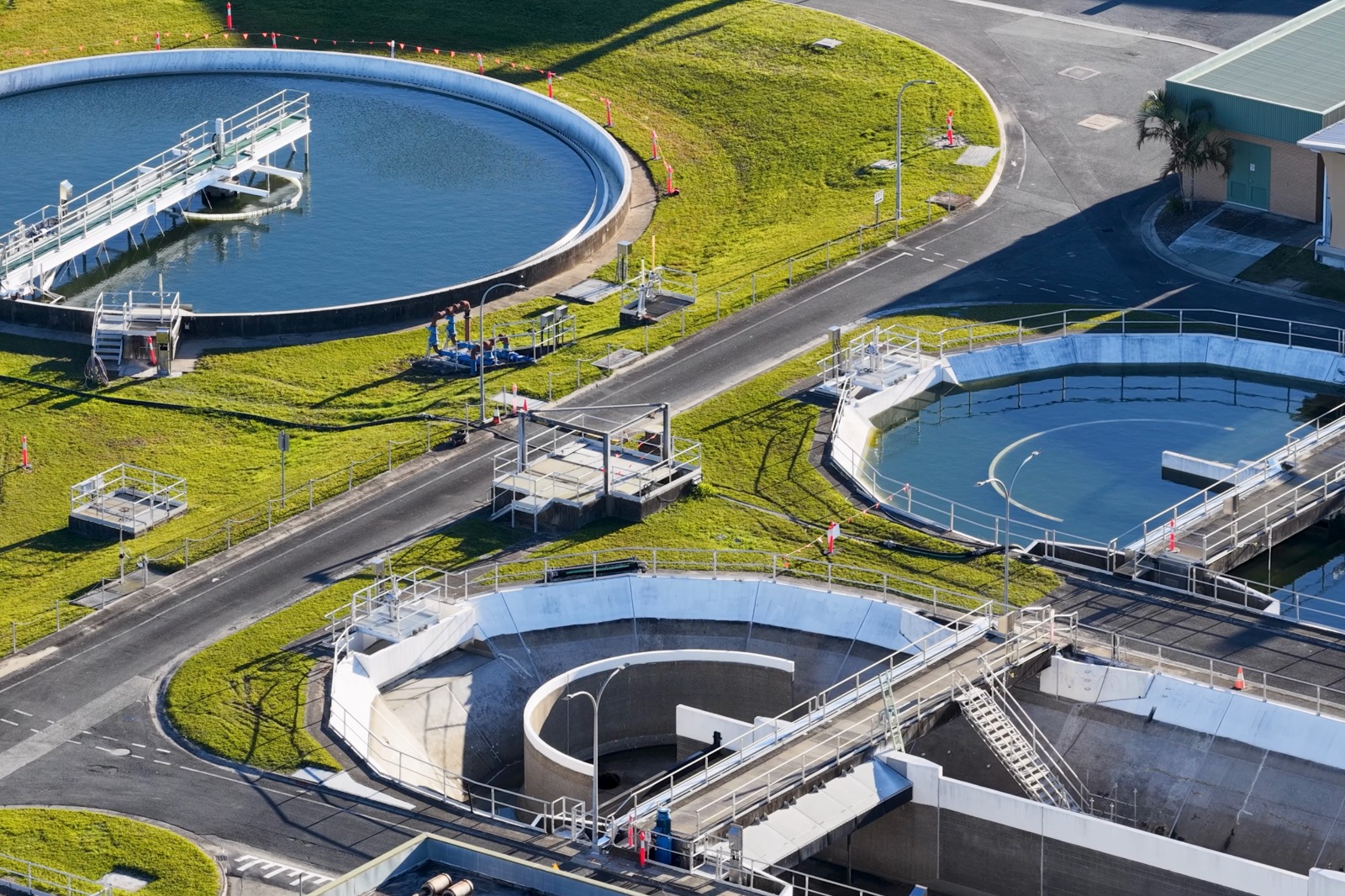
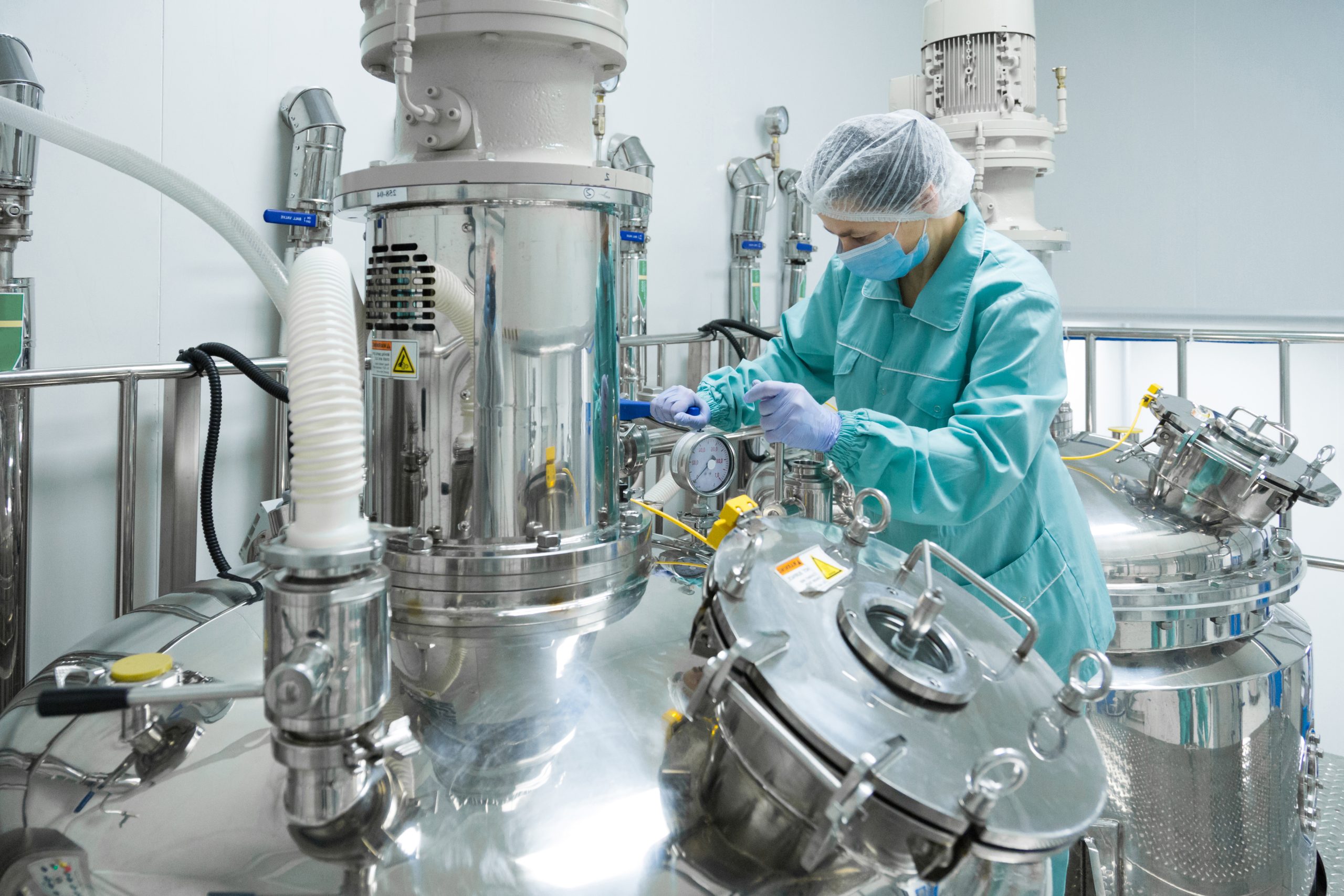
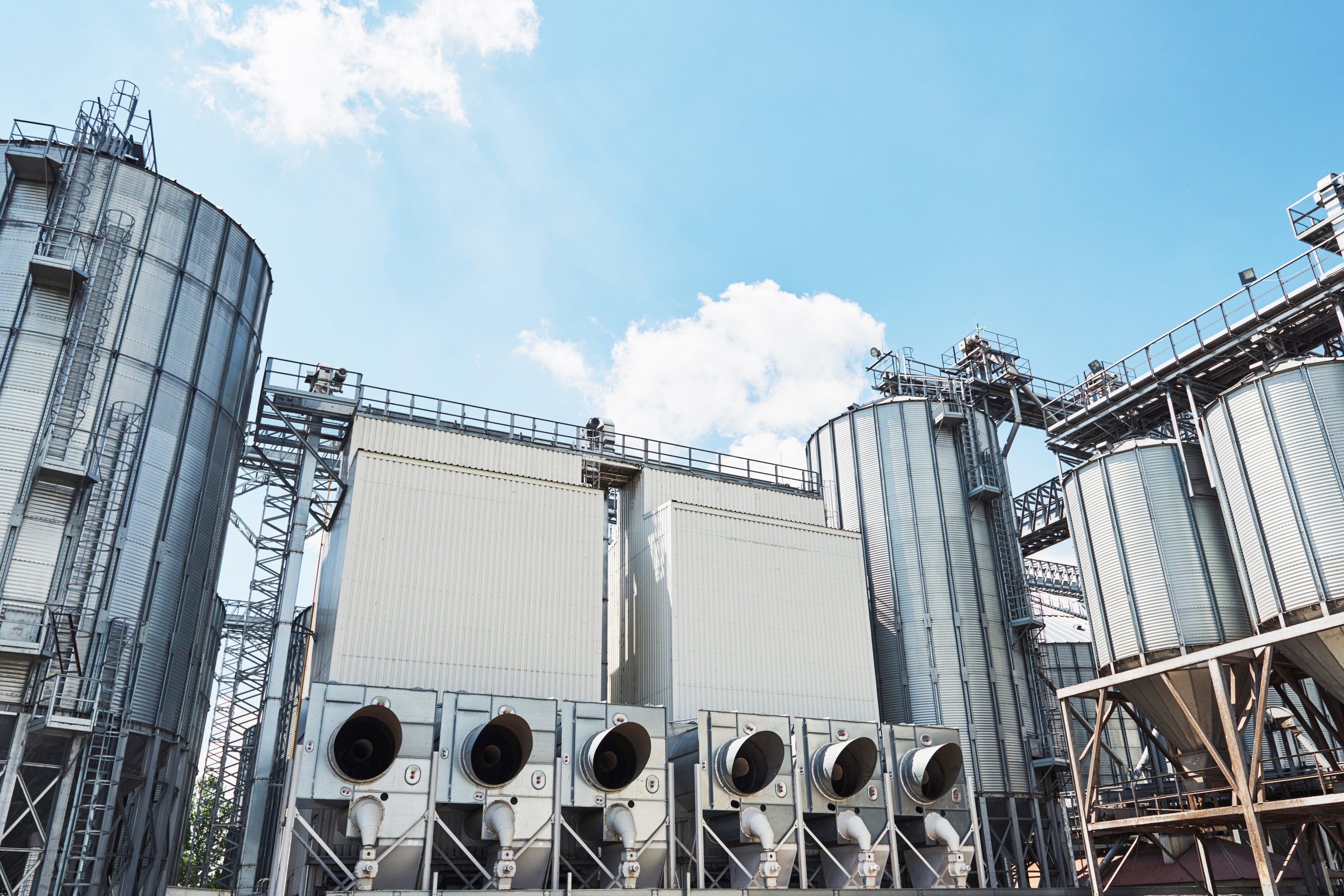

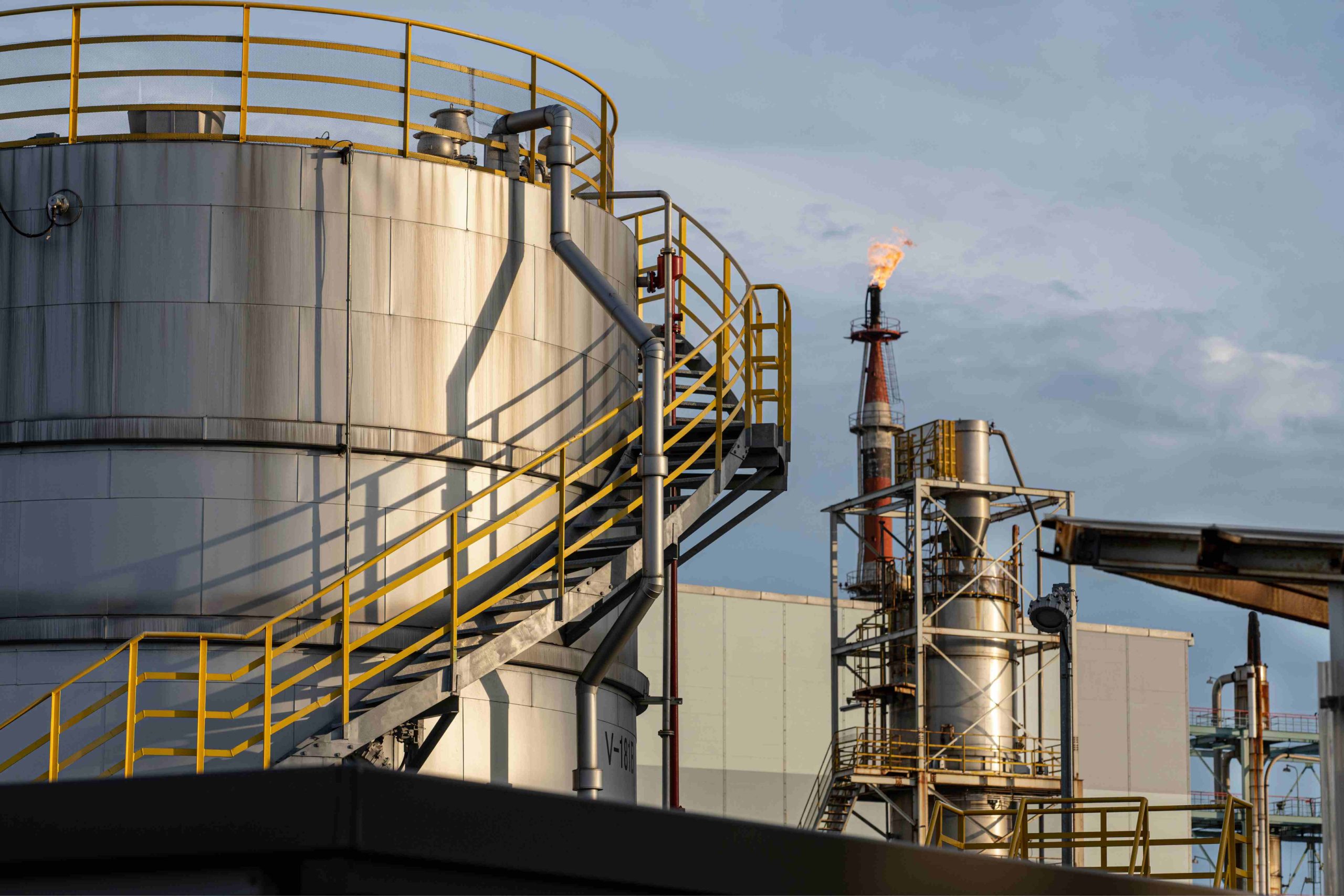
Ultrasonic flow meters are widely used in industries like wastewater treatment, food processing, and oil and gas, for measuring the flow of liquids, gases, and steam. They’re essential in applications ranging from monitoring water quality to controlling chemical processes. In this article, we will break down how these flow meters work, the different types you can choose from, including clamp-on flow meters, transit-time flow meters, Doppler flow meters, and the specific benefits they offer.
By the end, you’ll have a clear picture of how these tools can optimize your system and provide accurate flow data in your industries.
What is an Ultrasonic Flow meter?
An ultrasonic flow meter is a variation of flow meter that measures the velocity of a fluid with ultrasound waves to calculate volume flow. These ultrasonic waves use acoustic waves to measure the flow velocity of the liquid, steam, or gas, that is flowing through a pipe.
Different Types of Ultrasonic Flow Meters
- Clamp-on UltraSonic Meters
- These Ultrasonic flow meters utilize external sensors that are attached to the pipe. These external sensors are called ultrasonic transducers and use the transit-time principle. This allows the flow meter to be non-invasive and non-intrusive.
- Transit-Time Ultrasonic Flow Meters
- Transit-Time flow meters utilize the transit-time principle. These flow meters use multiple pairs of ultrasonic transducers to operate by sending and receiving sound waves in the flow of both down and upstream systems.
- Doppler Flow Meters
- The Doppler ultrasonic flow meters rely on the Doppler Effect in order to conduct their flow measurement. These flow meters emit a high-frequency sound wave into the measured liquid. Once these waves come across the particles in the liquid, they are then reflected back to the sensor.
Advantages of Clamp-on Ultrasonic Flow Meter
A key advantage of a clamp-on ultrasonic flow meter is its non-invasive design.
These meters attach externally, eliminating the need to cut or disrupt the piping system (no shutdown required). Since the clamp-on meter is installed externally, this also promotes a low-installation cost as no welding or modifications are done to the pipe.
These flow meters are easy to install. Their portability makes them ideal for temporary measurements and placement verification.
Additionally, clamp-on meters can be installed inside various pipe materials including steel, PVC, plastic, and others, without modifications.
Clamp-on meters do not only have a wide temperature range but also a wide fluid compatibility. These flow meters are designed for both dirty and clean liquids.
Lastly, these meters do not experience pressure drop as they do not create any obstruction within the pipe that could obstruct flow or cause pressure loss.
Featured Product in our Portfolio:
iSONIC 2400W Surface Mounted Clamp-on Ultrasonic Flow Meter

Product Details
- The iSONIC 2400W Ultrasonic Flow Meter is designed to measure the flow of liquefied gases and liquids in fully filled pipes. This non-invasive device uses a pair of clamp-on transducers mounted on the pipe’s exterior, operating based on the transit-time principle.
- With its non-intrusive design, the flow meter is easy to install and use, eliminating the need for system shutdowns or modifications to your pipe, which helps reduce installation costs. It also minimizes future maintenance needs.
- Equipped with two pairs of transducers, the iSONIC 2400W can accommodate a wide range of pipe diameters. Beyond its core ultrasonic flow measurement capabilities, the meter also offers an optional thermal energy measurement feature, providing a detailed analysis of thermal energy in your flow system.
Key Features:
- Pipe Diameters: 1″ to 236″ (25mm to 6000mm)
- Temperature Range: -35°C to 200°C
- Flow Range: 0.01 m/s to 12 m/s
- Accuracy: Up to 1% of reading
- Additional Features: Data logging
- Warranty: 5-year warranty
iFLOW 600X Open Channel Flowmeter

The iFLOW 600X sensor is designed to measure water velocity, depth, and conductivity in rivers, streams, open channels, and pipes.
It also calculates flow rate and total flow with the help of a companion flow calculator. This calculator determines the cross-sectional area of a partially filled pipe, open channel, or river by utilizing up to 20 coordinate points to precisely describe the cross-section. The system is versatile, making it suitable for a wide range of applications.
Using the ultrasonic Doppler principle in quadrature sampling mode, the sensor measures water velocity. It transmits ultrasonic energy through its durable epoxy casing into the water. Suspended sediment particles or small gas bubbles in the water reflect some of the ultrasonic energy back to the sensor’s receiver. The receiver then processes the reflected signals to calculate the water velocity, ensuring accurate and reliable measurements.
Key Benefits:
- Large 4.5-inch, 5-line color LCD display for clear readings
- Multiple output options, including Pulse, 4-20mA, RS485/Modbus, Datalogger, and GPRS for seamless integration with existing systems
- Simultaneous measurement of water velocity, depth, and conductivity
- Weatherproof (IP66) for reliable outdoor performance
- Bi-directional flow measurement with a wide range (0.02mm/s to 12m/s) for flexible usage in various conditions
How do Ultrasonic Flow Meters Work?
How Clamp-on flow meters work
With the clamp-on flow meter, these devices use the transit-time principle.
The primary function of this working principle is the two ultrasonic transducers: one operates as a transmitter, while the other works as a receiver.
The device will then emit sound waves through the pipe in two directions: one with the flow, and one against the fluid.
While the waves travel with the flow, the sound waves are moving through the pipe faster and while traveling against the flow direction, they travel slower. Essentially, the transit time between two signals is proportional to the fluid’s velocity.

Steps with the principle:
- The pair of transducers generate pulses
- The pulses then travel within the pipe, through the measured fluid.
- The time between the signal travelling upstream and downstream is then measured
- With this time difference, the flow velocity can now be measured
- Based on the pipes cross-sectional area, the volumetric flow rate is then determined

How Doppler Flow Meters Work
To begin, the flow meter initiates an ultrasonic signal into the measured pipe at a fixed frequency.
The sound waves enter the liquid that is being measured, and then reflect off the liquid particles within the flow.
These reflected waves return to the receiver with a Doppler shift which is primarily caused by the motion of the particles within the flow.
The velocity of the moving particles is proportional to the frequency shift, which directly aligns with the fluid velocity.

Steps with this Doppler principle
- The transducer generates ultrasonic waves into the fluid being measured
- Particles and bubbles that are suspended allow the waves to reflect back to the transducer
- The Doppler shift between the reflected and transmitted waves is measured
- The velocity of the particles is then calculated, which then translates to the flow velocity of the fluid.

Applications of Ultrasonic Flow Meters:
Clamp-on Flow Meter Applications:
- Water & wastewater
- Chemicals
- Beverages
- Oils
- Liquid foods
- Sludge
- Utilities
- BTU measurement
Doppler Flow Meter Applications:
- Influent and effluent water flow
- Digester feed control
- Crude oil flow
- Mining slurries
- Chemical processing
- Water treatment
Related posts:
- What is a Flow meter and its Working Principle
- How an Insertion Mag Meter Works
- Key Differences between Radar and Ultrasonic Flow meters
- All about Radar Level Sensors
- Submersible Level Probes
Are Ultrasonic Flow Meters Accurate?
Yes, flow meters that utilize ultrasonic measurement are considered highly accurate and can measure flow rates within ±1%. However, there are some factors that can affect accurate readings:
- Pipe Material: There are two types of materials used for pipes: metal and plastic. If the application has a metal pipe, this can influence the transmission of ultrasonic waves as these pipes consist of better acoustic properties. However, plastic pipes, unfortunately, attenuate the ultrasonic signals, leading to a reduction in signal strength and accuracy.
- Fluid Properties (Clean vs. Slurry): Fluids that do not consist of particulates allow for a stable medium for the ultrasonic waves. Slurries however with solid particles will absorb or scatter the ultrasonic waves, affecting the overall measurement.
- Sensor Placement (Misalignment Errors): Making sure that the ultrasonic sensors are properly aligned with the path of flow is an important thing to check. A misalignment error can cause a disruption in the transit-time measurement of the ultrasonic waves.
- Temperature and Pressure Effects: Thermal expansion is when there is a temperature change that causes the pipe to either contract or expand. Essentially, this would alter the distance between the transit-time measurement and the sensors.
Since these measurements are conducted in a non-invasive manner, this method allows corrosive or hazardous fluids to be accurately measured. Moving on, ultrasonic flow meters operate by using ultrasound in order to measure the flow rate of fluids. With this, three different types of methods can be used to measure with ultrasound.
- Transit Time Differential: When the time difference between ultrasonic pulses that are traveling with and against the measured flow’s direction.
- Cross-Correlation: Correlates the received and transmitted ultrasonic signals.
- Doppler-Shift: The frequency shift of ultrasound waves that are reflected off the bubbles or particles are measured.
What are the disadvantages of the ultrasonic flow meter?
One of the main disadvantages of ultrasonic flow meters is the higher upfront cost.
These types of flow meters are priced much higher than other inline flow meters due to the expensive acoustic parts residing in these instruments. However, this disadvantage is balanced out with the long-term cost benefits by long-term savings in maintenance and installation costs.
Another disadvantage of ultrasonic flow meters is the limitations these instruments have to certain applications. These flow meters cannot operate in heavily contaminated or slurry liquids. Any application involving of a liquid that cannot pass ultrasonic energy cannot be measured by ultrasonic flow meters.
FAQs:
What does an ultrasonic Doppler flow detector measure?
Doppler flow detectors are a form of ultrasonic flow meters that are used to measure liquids that consist of particulates and gas bubbles. These types of detectors are typically used in these applications
- Waste Water Treatment
- Raw Water
- Slurries
- Sewage
- Viscous Liquids
- Acid
- Pulp Stock
- Food Products
- Cooling Water
A key advantage of these flow meters is their non-intrusive design. These instruments can simply be held in place to take measurement, or let alone be strapped to the pipe. A potential issue with these types of flow meters is that this technology can experience trouble while measuring low flow velocities.
What does an ultrasonic Doppler flow detector measure?
An ultrasonic Doppler flow meter measures the flow rate of certain fluids by taking the frequency shift, created by the Doppler effect, and analyzing the sound waves that bounce between the bubbles and particles within the fluid. Typically, these types of flow detectors are located in water in wastewater treatments to measure both influent and effluent streams. These instruments can also be utilized in industrial processes, mining industries, oil and gas or food and beverage.
What are the limitations of the Clamp-on Ultrasonic Flow Meter?
The clamp on ultrasonic flow meter thrives in many applications due to it’s non intrusive design, here however is some of the limitations this flow meter contains:
- Since clamp-on meters are externally mounted, pipe surface roughness and wall thickness variations can lead to inaccuracies.
- Obstructions or bends at the installation location can cause inaccuracies, so proper sensor placement is crucial.
- If the pipe that is being measured contains an extremely low viscosity fluid, this will cause the ultrasonic waves to travel too fast which will reduce the accuracy. To avoid this issue, the appropriate transducer needs to be selected for the fluid type.


